

Tumble Dryers Heat Pump
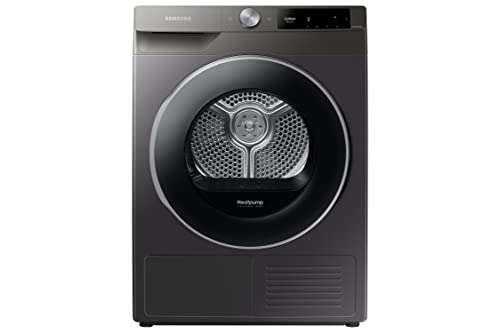
Tumble dryers that use heat pump utilize clever technology to make them energy efficient, gentle on fabrics and economical in the long run. Because they don't need vents like condensers and vented models, you can set them anywhere in your house.
The benefits of tumble dryers equipped with heat pumps outweigh the small drawbacks.
Energy efficiency
The clothes dryers with a heat pump are a new type of appliances that work by reusing energy instead of using it to generate it. The technology is similar, however the inside of the appliance is reversed. Instead of producing heat by using an element for heating, a refrigerator absorbs warmth from the air outside and pumps it into a drum containing wet clothing. When the refrigerant is at the temperature of a low point, it extracts the moisture from the warm air and expels it into an empty storage tank or drain. It then re-expands the warm air and carries the moisture back into the tumbling process and consumes less energy as it goes.
The lower temperatures of heat pump clothes dryers mean that they're gentler on clothing as well, and also prevent excess wear and shrinkage. They also consume less energy, which can save families with high electric bills hundreds of dollars a year.
In a typical week, an average family in the US is able to run 20 loads of laundry, so the savings can be significant. According to the Massachusetts Clean Energy Center - one of the leading energy efficiency advocates - a heat pump dryer can cut down on the cost of laundry by as much as 30 percent.
You can also reduce your costs of energy by not overloading your tumble dryer. Your machine will perform better if you keep your laundry load small. It will also allow it to complete the process as fast as it can, without sacrificing quality.
Tumble dryers with the heat pump system use three times less energy than traditional air-ventilated clothes dryers and meet the new Energy labelling and Ecodesign requirements that will be in effect from July 2025. These requirements are designed to aid European households save up to 15 TWh of energy by 2040.
Other methods to reduce energy consumption include keeping the dryer in a well-insulated room and making sure that the ducts for ventilation aren't blocked and making sure it's regularly cleaned of lint which could cause the tumble dryer to increase your electric bill and pose dangers to your health and safety. Manufacturers may have different suggestions regarding how often to clean the lint filter and the fine mesh screen. But maintaining maximum efficiency is crucial.
Moisture extraction
Heat pump tumble dryers are similar to traditional vented models, except that they don't require a vent for moisture extraction. Instead, the hot air used to dry your clothes is reused in conjunction with the moisture that is collected in the water tank. This can cut down on your energy usage and help you save money on your utility bill.
There are some things to keep in mind when using tumble dryers. First of all, these dryers tend to take slightly longer during the drying process because they use lower temperatures. They also require regular emptying of the tank, preferably after every load. You can drain it into a sink, or washbasin in the vicinity, or manually empty the water into an integrated tank. Additionally, the humidity of your home will have an effect on how often the tank has to be emptied.
These models can also produce some condensation on the exterior of the dryer. This is normal, and can be slowed down by wiping the coils clean regularly. In addition, there could be a slight smell in the room when drying your laundry that can be eliminated by opening windows.
When a vented dryer is in use, it uses resistance heating elements to heat the air before dumping this hot moist air into the atmosphere through the pipe. The air is then blown back into the house and then heated by your central heating system. The technology of heat pump however makes use of the hot air. The moisture gathered by the machine and stored into separate tanks is the reason why heat pump technology is different.
The air inside your home that is blown out is replaced by colder air from outside. This allows the dryer to operate at less temperature, without causing any damage to your clothing. This is one of the primary reasons why dryers that are vented are more efficient than vented or condenser models.
Another benefit of this technology is that it could help to reduce the reliance on power sources from outside and does not need to rely on a gas source to power its operation. This makes it a fantastic option for those living in remote areas or who simply do not want to rely on electricity.
Versatility
The tumble dryers that use heat pump technology use the energy they generate to dry clothes. The heat pump tumble dryers are not only more environmentally green, but also more affordable.
The money you save on utility bills will soon pay off the upfront cost of some heat pump models. The tumble dryers that are heated by the heat pump are a great investment for the long term especially for families who are committed to saving money and the environment.
The AEG H-DRY 500 (Heat Pump) - Hoover Direct is a great example of an affordable heat pump tumble dryer that comes with top-of-the-line features and capabilities. It has the capacity of a 9kg drum that will comfortably accommodate larger families, and the A++ energy efficiency rating will keep your utilities in check. It can detect and automatically alter the duration of the washing cycle based upon your mineral content of your water to reduce energy use.
Sensor drying and the child lock are other notable features. The appliance will shut off when your clothes are dry to wear. The efficient tumble action uses less air than traditional tumble dryers to ensure that your laundry gets done faster. The dryer is easy to clean and maintain because it comes with a purse filter.
The Indesit NIS41VUK is a cheap tumble dryer that prioritises cost-effectiveness without sacrificing performance or eco credentials. It is able to hold 4kg and 13 programs that are suitable for any fabric. It can be used with an outdoor vent, which is ideal for smaller homes and apartments. It may not have all the advanced features found in higher-end models such as a drying sensor or an end-to-end cool tumble, but it comes with everything you need.
Noise
In comparison to vented tumble dryers models, heat pump models tend to be quieter. This is because of the system that reduces vibrations, extra insulation and an inverter.
They also operate at lower temperatures, which means they are less likely to over dry your laundry, leaving it feeling rough or damaged. It might take a little bit longer to complete their cycle, but the energy savings and low operating costs will make up for it.
A noisy tumble dryer is a sign that something isn't right. An appliance repair technician should look into this. The most frequent sounds tumble dryers make are banging, creaking and scraping.
A squeaking sound from your dryer will likely mean that the pivot bearing for the drum is worn out and is the reason why it needs to be replaced. A misshaped support wheel is typically the cause of a rumbling noise, while an ongoing scraping could indicate worn-out jockey wheel that is causing tension on the drive belt.
If your tumble dryer has been idle for a long time or is new, it could produce a rumbling sound during the first few moments of operation. This is normal and happens as the machine's wheels self lubricate, but if it continues to occur for longer than this please call us for advice.
Tumble dryers are complex machines designed to be reliable, but they aren't without fault. It is crucial to act immediately if you hear a loud squeaking sound coming from your tumble dryer to avoid further damage and costly repair costs. It could be due to one of the reasons mentioned above or an electrical issue that requires a skilled appliance technician to investigate. If heat-pump tumble dryer don't take it seriously this issue, it could become worse and cost more to repair. It can also damage your clothes.